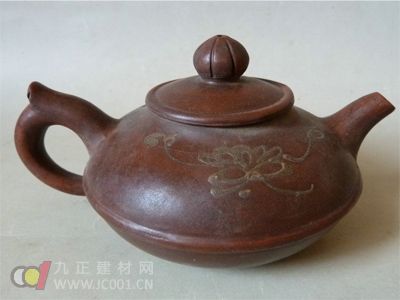
Choosing a good teapot is not just a new challenge for purple clay enthusiasts, but also a serious topic for those who have spent years exploring the art of Zisha pottery. A teapot serves both practical and aesthetic purposes, making it more than just a tool for brewing tea—it's a piece of art that can be enjoyed and appreciated. Therefore, a quality teapot should excel in functionality, craftsmanship, and artistic value. When selecting a teapot, collectors and lovers often consider these three key aspects carefully.
Teapots are used for brewing tea, so their practical functions are crucial. A well-designed teapot should have an appropriate size and capacity, a comfortable handle, and a smooth spout to ensure ease of use. When choosing a teapot, it’s important to consider your personal tea-drinking habits, such as how much you usually drink, the smoothness of the spout, and the overall comfort of holding it. Beyond function, the craftsmanship reflects the skill level of the maker and plays a key role in evaluating the quality of the piece. A high-quality teapot should have harmonious proportions, with well-crafted details like the spout, handle, lid, and base, all seamlessly integrated into the overall design. It’s also essential to examine the four aspects of “mud, shape, money, and merit†to determine its true value.
Mud:
The uniqueness of a Zisha teapot lies in the quality of its raw material—purple sand clay. Therefore, when assessing a teapot, the first thing to look at is the quality of the clay. While color variations may affect visual appeal, they don’t necessarily impact function. However, over time, the texture of the clay becomes smoother through repeated use, enhancing the feel in the hand. Good purple sand clay has a subtle, non-greasy finish. When purchasing a Zisha pot, the quality of the clay should be one of the primary considerations.
Shape:
The shape of a teapot refers to its overall form and design. There are countless styles, each reflecting the creativity and dedication of past artisans. These designs are often described as "unique and diverse." Choosing the right shape depends on personal taste, as different people have different preferences. However, since teapots are part of tea culture, their artistic expression should align with the refined and serene spirit of the tea ceremony. The most harmonious style is one that evokes an ancient and elegant atmosphere, which is why the design should aim to capture this timeless charm.
Paragraph:
This refers to the cultural and artistic knowledge embedded in the teapot. Unlike ordinary works, the inscriptions on Zisha pots are often crafted by skilled calligraphers and engravers. Appreciating a Zisha teapot involves understanding the artist behind it and the poetry or paintings engraved on it. The decorative elements combine traditional Chinese arts like calligraphy, painting, and engraving, adding depth and beauty to each piece. For enthusiasts, these artistic details enhance the experience of owning and using a Zisha teapot.
Work:
Functional beauty refers to how well the teapot performs its purpose, beyond just aesthetics. Over the years, the Zisha market has grown significantly, especially with increased involvement from Taiwanese entrepreneurs. While many innovative designs have emerged, some focus too much on form and neglect function. Some artists may not even drink tea themselves, leading to designs that aren't practical for real use. This has resulted in certain flaws in the usability of some teapots. The functional beauty of a teapot includes proper capacity, balanced proportions, a tight-fitting lid, and a smooth pouring mechanism. Based on common tea-drinking habits in Taiwan, a pot with a capacity of around 300–500 ml is ideal, offering convenience, comfort, and a pleasant experience that enhances the tea-drinking ritual.
Zisha art is a unique form of creative expression rooted in life yet elevated beyond it. A truly great teapot must not only have a perfect shape and expert craftsmanship but also reflect thoughtful design, material quality, and production technique. Additionally, the emotional connection between the user and the teapot is essential. A perfect piece should not only be practical but also elevate the spirit, bring joy, and offer an artistic experience. As the late master Gu Jingzhou once said, art should be decisive, simple, and sincere. Only when the artist captures the essence of the form, spirit, and soul can the work come alive and resonate deeply with the viewer.
Dissolved Oxygen Analyzer
Overview
A dissolved oxygen analyzer/meter is a
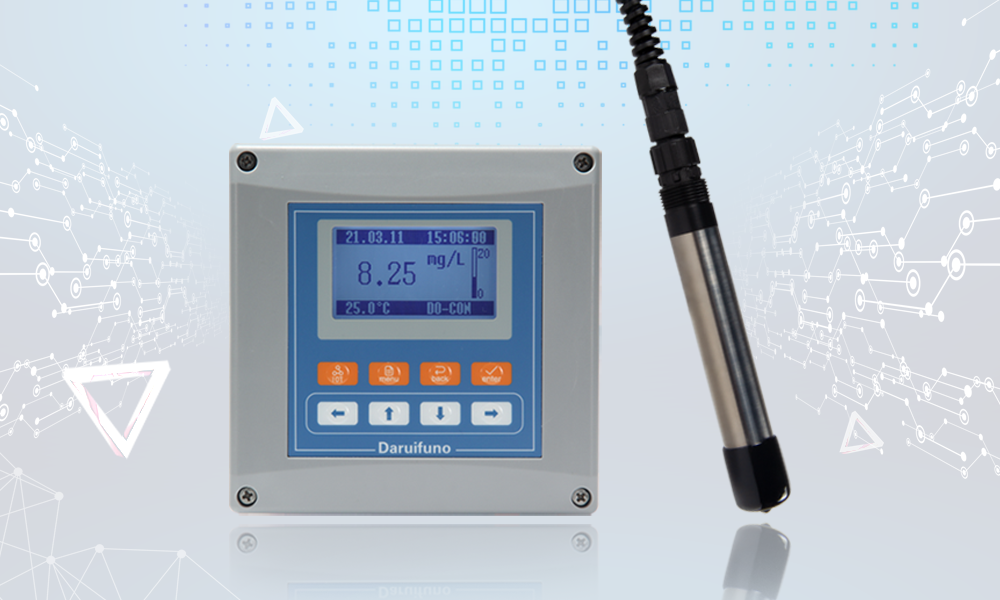
Water Quality Monitor that is used for online control and digital measurement of dissolved oxygen in water. It consists of a controller and a sensor to achieve continuous real-time monitoring of dissolved oxygen values ​​in different water bodies. The controller of our dissolved oxygen analyzer is responsible for receiving the data signal from the sensor, can display a large amount of information, can have relay and 4-20mA current output functions, and also has an RS485 interface, supports Modbus protocol digital transmission, and presents it to the user in an intuitive way (such as digital display, chart or alarm signal). The
Dissolved Oxygen Sensor part adopts fluorescence measurement, which has the advantages of no reagents, no oxygen consumption, and real-time measurement.
Importance and detection significance of dissolved oxygen
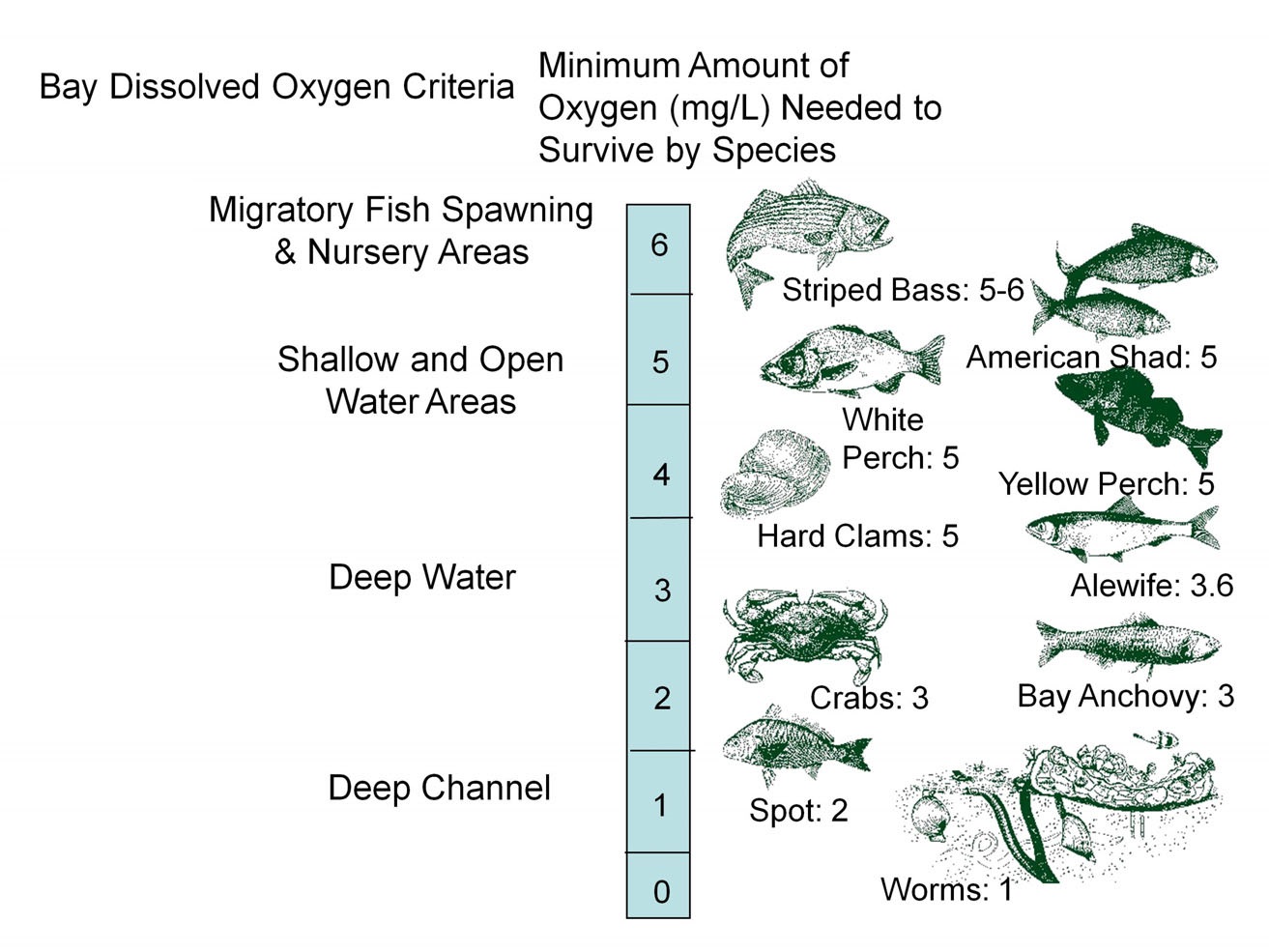
Dissolved oxygen (DO), as an indispensable key element of life activities in water bodies, refers to oxygen molecules dissolved in water. It is the main source of respiration of aquatic organisms and is directly related to the health and stability of aquatic ecosystems. High dissolved oxygen levels can support the survival of more types of aquatic organisms and promote biodiversity. It also helps the natural degradation process of organic matter in water bodies and reduces the accumulation of pollutants. In aquatic environments, oxygen saturation is a ratio of the concentration of "
dissolved oxygen" (DO, O2), to the maximum amount of oxygen that will dissolve in that water body, at the temperature and pressure which constitute stable equilibrium conditions.
The importance of monitoring dissolved oxygen is that it is not only one of the key indicators for assessing water quality, but also an important basis for judging the self-purification capacity of water bodies and the health of ecosystems. Low dissolved oxygen levels may cause aquatic organisms to suffocate and die, destroy ecological balance, and even cause environmental problems such as eutrophication and black and smelly water bodies. Therefore, timely and accurate monitoring of dissolved oxygen content is of great significance for preventing water quality deterioration, protecting water resources, and maintaining ecological balance.
Application of dissolved oxygen analyzer and Meter
Due to its high precision and real-time continuous monitoring characteristics, dissolved oxygen analyzer plays an indispensable role in water quality monitoring in many industries:
Environmental protection: Installing online dissolved oxygen analyzers in natural water bodies such as rivers, lakes, reservoirs and sewage treatment plant outlets can monitor water quality changes in real time, timely detect and warn water pollution incidents, provide scientific basis for environmental protection departments, and effectively protect the water environment.
Aquaculture: Dissolved oxygen is a key factor affecting the growth and health of aquatic animals. Installing analyzers in aquaculture ponds can accurately control dissolved oxygen concentrations, optimize the breeding environment, improve breeding efficiency and product quality, and reduce economic losses caused by hypoxia.
Drinking water treatment: Ensuring drinking water safety is the basis of public health. Online monitoring of dissolved oxygen helps to evaluate the effectiveness of water treatment processes, such as ozone disinfection, biological filters, etc., to ensure that water quality meets standards and ensure the safety of drinking water for residents.
Industrial cooling water management: In the industrial field, especially in the power and chemical industries, the dissolved oxygen content of the cooling water system directly affects the corrosion rate of equipment and the cost of water treatment. Through online monitoring, the cooling water treatment plan can be adjusted in time, the equipment life can be extended, and the operating cost can be reduced.
Hot spring and swimming pool management: For recreational water bodies such as hot springs and swimming pools, the monitoring of dissolved oxygen helps maintain the cleanliness of the water, prevent the spread of diseases, and improve the user experience.
In summary
The dissolved oxygen analyzer/meter plays a vital role in water quality monitoring in many fields such as environmental protection, aquaculture, drinking water treatment, industrial cooling water management, and leisure and entertainment with its efficient and accurate monitoring capabilities. It is an important tool to ensure water quality safety and promote the sustainable use of water resources.
As a supplier and manufacturer of dissolved oxygen analyzers and meters, Daruifuno is a trusted partner in water quality analysis. We are committed to excellence and innovation, providing cutting-edge solutions that meet the ever-changing needs of our customers. If you are looking for dissolved oxygen analyzers and meters with reliable quality, please contact us today to learn more about our products and find out how we can support you in achieving precise and reliable water quality monitoring.
Dissolved Oxygen Analyzer,Dissolved Oxygen Meter
Suzhou Delfino Environmental Technology Co., Ltd. , https://www.daruifuno.com